
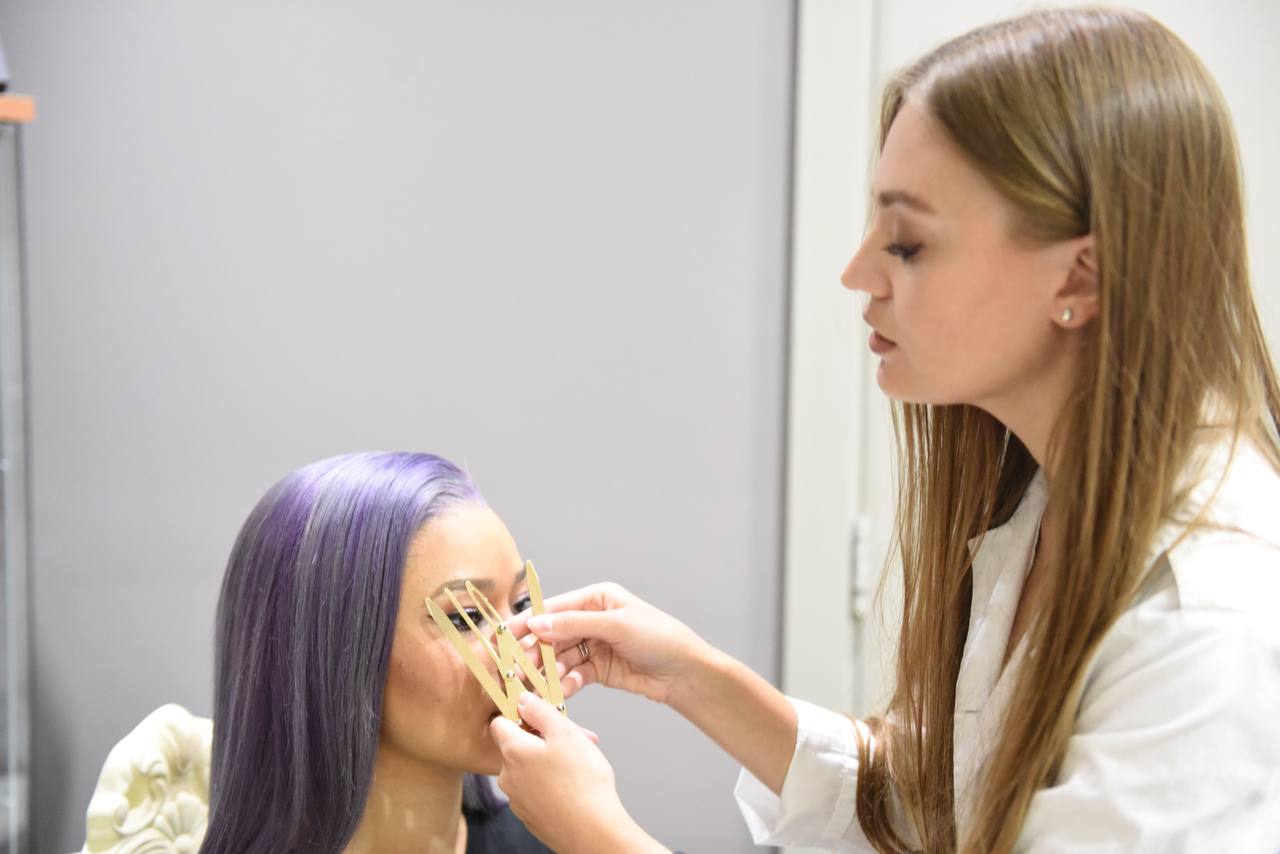
Esthetics is the skin side of the beauty industry — facials, peels, hair removal, device-based treatments — and it operates under its own license, separate from cosmetology. The training is shorter than a full cosmetology program, which makes it appealing to people who know they want to work with skin specifically and would rather not spend a year on haircutting they will never use.
The tradeoff is scope. An esthetician license authorizes skin services only. Cutting or coloring hair falls outside it.
Entry requirements
Boards generally ask for the same baseline items before you can enroll and eventually test:
- Minimum age, usually 16 or 17 depending on the state
- High school diploma or GED, though a handful of states are more flexible on this
- Completed training at a board-approved school
Training hours
This is where esthetics differs most noticeably from cosmetology. Where a cosmetology program often runs 1,000 to 1,600 hours, esthetics programs are typically in the range of 300 to 750 hours depending on the state. Some states sit at the low end, others considerably higher, and a few draw a distinction between a basic esthetics license and an advanced or master esthetician credential requiring substantially more hours.
Full-time, that usually translates to somewhere between three and eight months of study. Part-time stretches accordingly.
The exams
Most states use a two-part structure, and many draw from the National-Interstate Council of State Boards of Cosmetology exam bank rather than writing their own.
The written portion covers skin anatomy and physiology, contraindications, product chemistry, infection control, and state regulations. Contraindications get more weight here than new students expect — a large part of the job is recognizing when not to perform a service.
The practical portion has you demonstrate procedures on a model or mannequin while an examiner scores technique and, heavily, sanitation. Setup and station hygiene are graded before you touch anything.
Where the license leads
An esthetics license opens more distinct settings than most people realize:
Day spas and salons — the most common starting point, usually facials and hair removal, often on commission.
Medical spas and dermatology practices — pre- and post-procedure care, device treatments, working alongside clinical staff. Pay tends to be better; some states require physician supervision for certain services.
Product and brand work — education, training, and technical sales roles for skincare lines, which draw on the same knowledge without the physical demands of treatment-room work.
Independent practice — renting a room or running your own space, which usually requires a separate facility or operator credential on top of your personal license.
Before enrolling
Confirm three things with your state board: the exact hour requirement, whether your prospective school is board-approved, and whether the state distinguishes between basic and advanced esthetics licensing. That last point matters most if you eventually want to work with lasers, microneedling, or other advanced modalities, since access to those is often gated behind a separate credential or a medical setting rather than included in a standard esthetician license.